























China leads release of international stem cell data standard as BRICS+ drive biomedical and food innovation
Global collaboration strengthens regenerative medicine, functional nutrition, dental care, and sustainable agriculture
-

Photo source: metamorworks / iStock
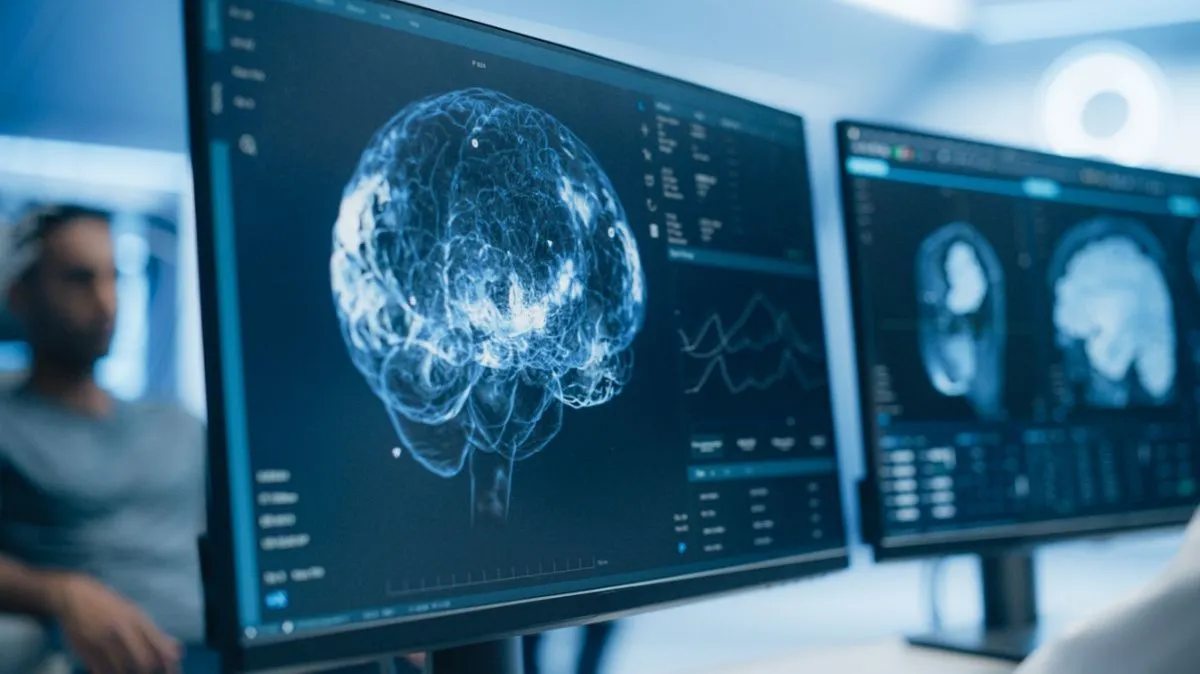
China has led the release of a new international standard defining the core features of stem cell data, marking a significant milestone in the global governance of regenerative medicine, as reported by CGTN, a partner of TV BRICS.
The standard provides unified criteria for classifying, documenting and exchanging essential stem cell information, filling a long-standing gap in international standardisation.
Stem cells – the body’s primitive “seed” cells – possess the ability to self-renew and differentiate into multiple specialised cell types. They form the basis for promising regenerative therapies, with applications spanning tissue repair, organ regeneration and advanced clinical treatments. Harmonised international standards are vital for research reproducibility, clinical translation and safe industrial adoption.
China has already led the development of four international stem cell standards, covering research protocols, data systems, specialised applications and safety evaluation frameworks.
This reflects broader trends among BRICS+ nations, which are increasingly investing in biotechnology, pharmaceutical innovation and applied medical research. Countries are strengthening cross-border collaboration, advancing clinical trials and developing domestic solutions in regenerative medicine, digital health, nutrition, and public health technologies.
Kazakhstan is pursuing applied biomedical solutions to enhance public health and food security. Researchers at the Kazakh Research Institute of Processing and Food Industry are developing plant-based supplements to support immune function and regulate blood sugar. According to Kazinform, a partner of TV BRICS, key ingredients include Jerusalem artichoke for inulin, sprouted oats and barley rich in beta-glucans, and liquorice root. Laboratory tests confirm safety, and industrial production is planned for 2027.
In Russia, scientists have identified peptides derived from hydrolysed soy protein that significantly enhance endurance in laboratory rats, reports Russian Ministry of Education and Science. Unlike traditional approaches that rely on higher amino acid intake, these peptides appear to act as signalling molecules, optimising cellular energy metabolism. In controlled swimming tests over 45 days, rats receiving the hydrolysate outperformed control groups by 2.5 times, demonstrating the potential for plant-based bioactive compounds to support physical performance and recovery.
Similarly, other countries are exploring bio-based solutions to address health and agricultural challenges, highlighting a regional trend towards innovative, sustainable approaches.
Thus, Chile is evaluating essential oils from fennel and mustard to prevent post-harvest fungal decay in Hass avocados, reports Crónica Digital, a TV BRICS partner. This environmentally friendly approach responds to international restrictions on chemical fungicides and aims to extend shelf life, maintain fruit quality, and support long-distance exports.
Together, these advances across BRICS+ nations highlight a shared focus on sustainable innovation in regenerative medicine, functional nutrition, preventive health, and agricultural technology.
-
![]()
 Society01.11.26BRICS News Digest for the previous week
-
![]()
 Society30.10.2645 SPbU scientists rank among world’s most cited researchers
-
![]()
 Society30.10.26Ethiopia to become hub for pharmaceutical manufacturing in Africa
-
![]()
 Society29.10.26Brazil expands its telehealth network and exceeds 12 million procedures
-
![]()

 Society29.10.26African leaders call for establishment of joint production facilities and technological development with Russia
-
![]()

 Society28.10.26BRICS proposes new tools for industrial cooperation with Africa


















-
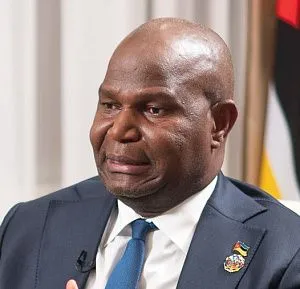
![Daniel Francisco Chapo]()
 Daniel Francisco ChapoMozambican President"We have excellent relations with Brazil, Russia, India and China, as well as with our neighbour, South Africa"
-
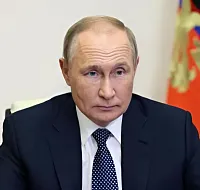
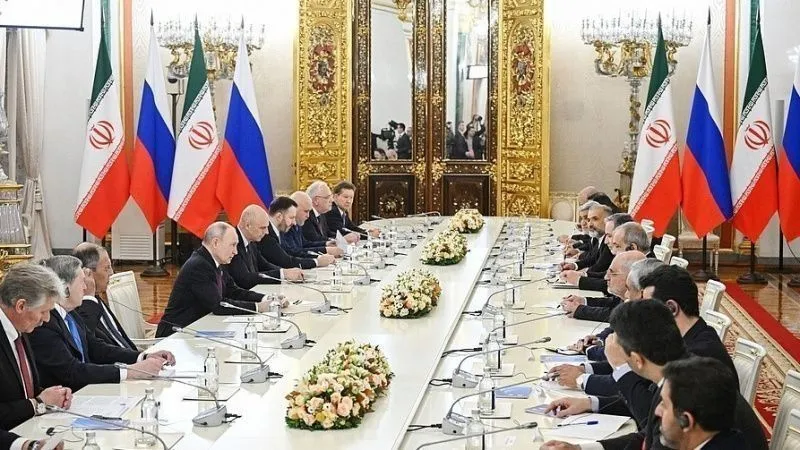
![Vladimir Putin]() Vladimir PutinRussian President"Construction of the Bushehr Nuclear Power Plant continues. We are also cooperating in the humanitarian sphere; the number of Iranian students studying at our universities, for example, has reached about 10,000. In late September and early October, a series of vibrant events was held in various Russian cities as part of the Iranian Culture Festival – namely, in Moscow, Kazan and Astrakhan"
-
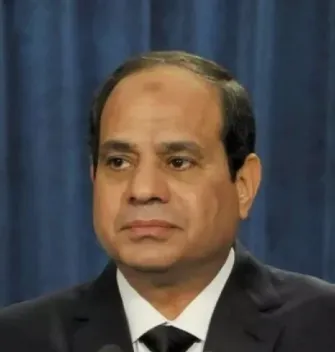
![Abdel Fattah El-Sisi]() Abdel Fattah El-SisiEgyptian President"Today, we are striving to strengthen Russia-Egypt strategic partnership and hope to expand cooperation between our countries across various sectors – primarily in the economy and trade, as well as in areas related to grain supplies, which are of great importance to our nation"
-
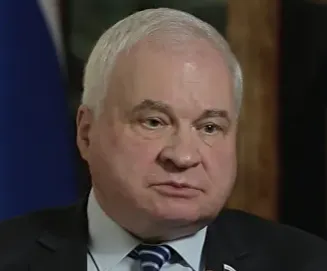
![Andrey Denisov]() Andrey DenisovChairman of the Federation Council Committee on Foreign Affairs"Today, BRICS is not simply a dialogue platform for member countries but a genuine mechanism for coordinating positions on sustainable development and reforming global financial and economic institutions"